Not All Met Gala Criticism Is Created Equal
Some people wore statement pieces while others typed them.

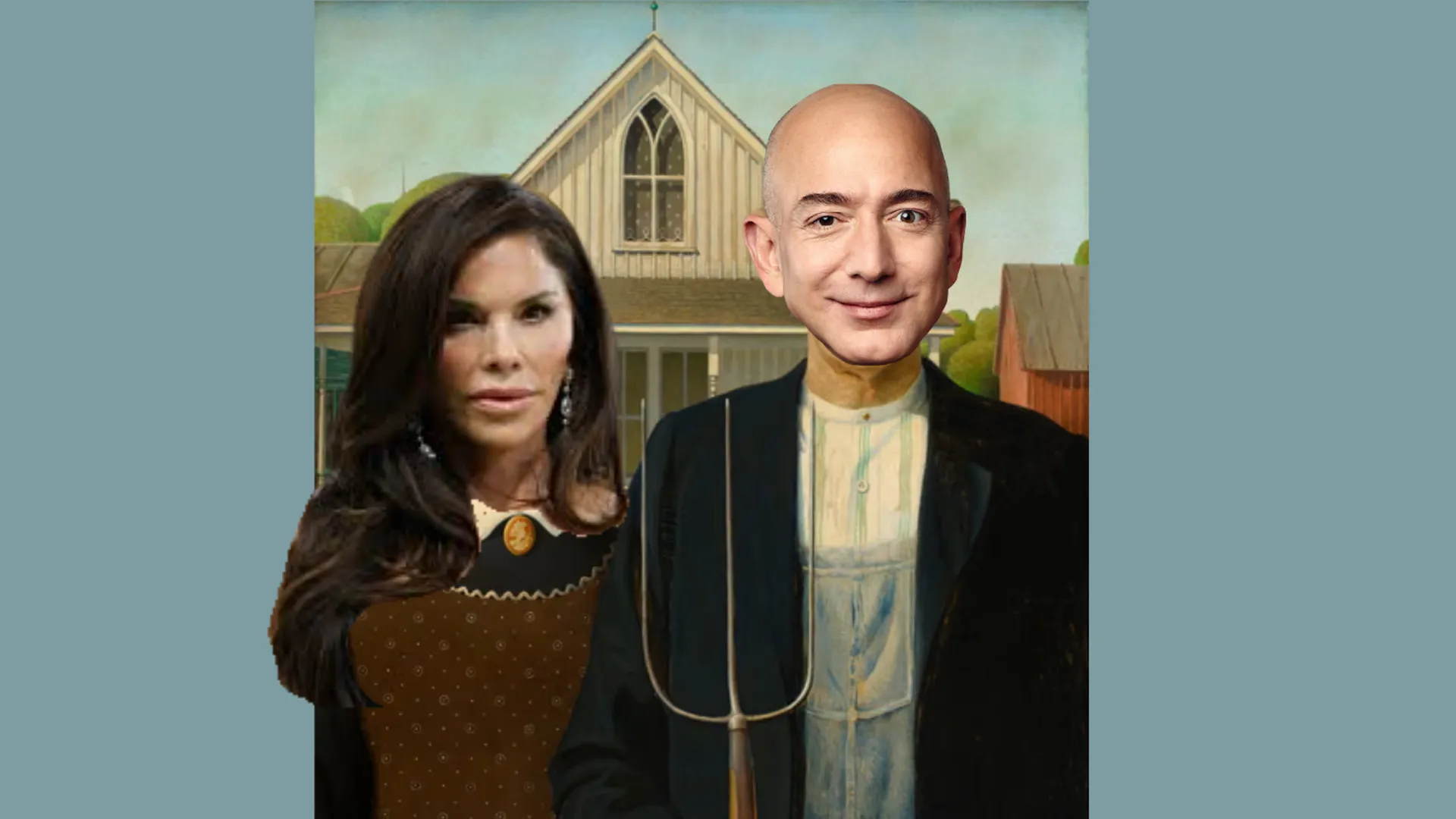
As someone who loves fashion and the arts for how they intersect with politics and history, I had to tune into the Met Gala on Monday. Past years gave us AOC’s “Tax the Rich” dress and Lena Waithe’s rainbow cape. This year garnered a lot of criticism because Jeff Bezos and Lauren Sánchez paid $10 million to be honorary co-chairs and lead sponsors. The valid criticism got diluted by people who don’t really care for, or understand, the nuance of an event like this.
“It’s giving Hunger Games”
This one makes the rounds every year, but I don’t hear it applied as much to the Oscars, the Super Bowl, the World Cup, or F1, all of which involve the same spectacle of wealth. The Met Gala gets singled out partly because it’s visibly feminine-coded and therefore deemed frivolous, unlike architecture, sport, or film, which are ‘serious’ topics.
“It’s just rich people playing dress-up”
The Met Gala funds the Costume Institute, the only department in the museum that has to raise its own money. This year it raised a record $42 million. That goes towards conservation efforts, exhibitions, research, and an entire world we never see: seamstresses, embroiderers, milliners, makeup artists, etc. Compare that to Jeff Koons’ Balloon Dog selling for $58 million, all of which goes back to its previous billionaire owner and the auctioneers.
 Image via Artsper
At least, for the same price of a semi-decent Birkin, ticket-buyers can feed a public institution.
“Bezos is funding it, so it’s tainted”
The Met’s own website says this year’s exhibition was “made possible” by him. Variety also pointed out the real irony in Amazon being a sponsor despite degrading the very industry the institution tries to preserve. Is the institution comfortable with all this, or just quiet about it?
I’ve seen arguments that being a co-chair is a superficial title with no say on the theme, guests, etc. But whether or not he had a formal say, his $10 million pulled the room toward Silicon Valley. This was the first year a tech figure was lead sponsor, the first year multiple tech companies bought tables, and even Mark Zuckerberg attended for the first time. When that valid criticism gets bundled with “look at the silly outfits”, it gets dragged down to the level of the lazy one.
“If you attend you’re complicit”
In the age of cancel culture, criticising celebrities for attending may have pushed out the very people who historically used that carpet to bring politics into fashion. I was surprised not to see a Palestinian-inspired outfit this year, perhaps because the high-profile voices who can afford to speak on these things didn’t attend.
Conclusion
I don’t have a clean answer to the attendance question, and I’m not trying to defend Bezos. I just think criticism lands harder when it’s pointed.

Leave a comment